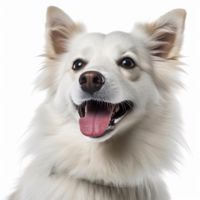
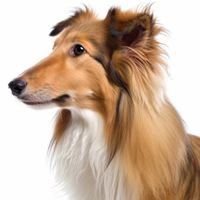
American Eskimo Dog vs Rough Collie
Eskie vs Rough Collie
Which one fits your life? Start with the short answer, then check the details that matter most to you.
The short answer
The Eskie has more energy; the Rough Collie is calmer.
Choose the Eskie if you want:
- More energy for play and adventures
- A slightly longer life on average (13–15 years vs 12–14 years)
Choose the Rough Collie if you want:
- A calmer dog around the house
What they share: Both are good with kids, shed heavily and are easy to train.
American Eskimo Dog vs Rough Collie at a glance
Highlighted rows are where they differ.
| Trait | American Eskimo Dog | Rough Collie |
|---|---|---|
| Weight | Toy: 6–10 lb (3–5 kg); Miniature: 10–20 lb (5–9 kg); Standard: 25–35 lb (11–16 kg) | 45–60 lb (20–27 kg) |
| Height | Toy: 9–12 in (23–30 cm); Miniature: 12–15 in (30–38 cm); Standard: 15–19 in (38–48 cm) | 20–24 in (51–61 cm) |
| Life span | 13–15 years | 12–14 years |
| Energy | High | Medium |
| Exercise needs | Medium | Medium |
| Trainability | Easy | Easy |
| Intelligence | High | High |
| With kids | Good | Good |
| With other pets | Good | Good |
| Shedding | Heavy | Heavy |
| Grooming | Moderate | Moderate |
| Barking | High | Not rated |
| In hot weather | OK | OK |
| In cold weather | Good | Good |
| Adaptability | Medium | Medium |
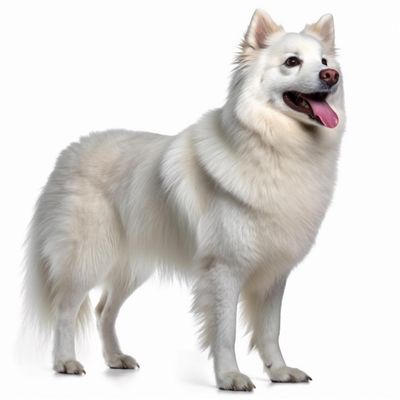
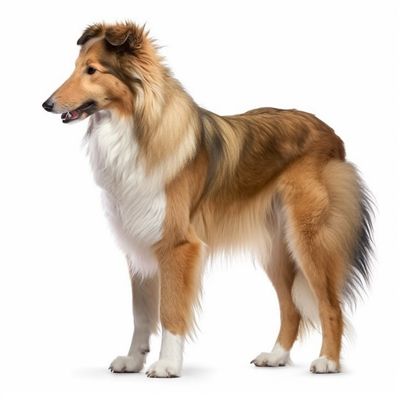
American Eskimo Dog and Rough Collie in real life
Studio photos make every dog look tidy. Here’s what each one looks like out in the world.
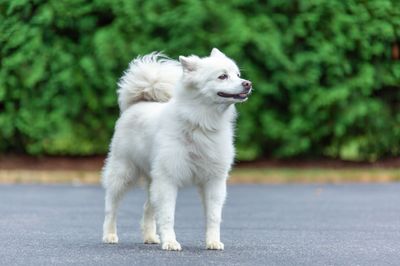
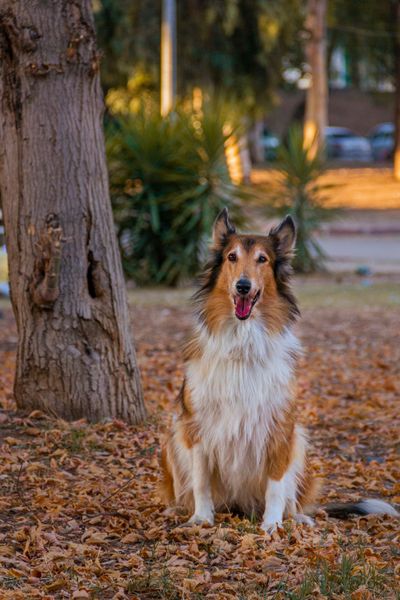
Which is bigger, the Eskie or the Rough Collie?
It depends on the Eskie. A Toy Eskie weighs 6–10 lb (3–5 kg), a Miniature Eskie weighs 10–20 lb (5–9 kg) and a Standard Eskie weighs 25–35 lb (11–16 kg). A Rough Collie weighs 45–60 lb (20–27 kg) and stands 20–24 in (51–61 cm) at the shoulder.
Which needs more exercise, the Eskie or the Rough Collie?
About the same, but the Eskie has more energy. Both need a daily walk plus playtime. The Eskie is high-energy; the Rough Collie is moderately active.
Which is better with kids, the Eskie or the Rough Collie?
Both are good with kids. Both usually get along with other pets. Whichever you choose, supervise young children with any dog.
Which is easier to train, the Eskie or the Rough Collie?
They’re about the same. Both are easy to train and quick to learn.
Which sheds more, the Eskie or the Rough Collie?
About the same: both shed heavily. Both need regular brushing.
Which lives longer, the Eskie or the Rough Collie?
The Eskie, on average. The Eskie usually lives 13–15 years; the Rough Collie usually lives 12–14 years. Within any breed, good breeding, a healthy weight and regular vet care make a real difference.
Which handles hot and cold weather better, the Eskie or the Rough Collie?
They’re about the same. Both cope with moderate heat and handle cold well.
Still deciding? Compare similar breeds
Full trait profiles
Every trait we rate, with notes on each breed.
American Eskimo Dog
American Eskimo Dogs can vary in size, with Toy, Miniature, and Standard varieties. They weigh between 6-35 lbs and have a height of 9-19 inches.
American Eskimo Dogs have a high energy level and need regular physical and mental stimulation to stay happy and healthy.
American Eskimo Dogs require daily exercise, including walks, playtime, and activities that challenge their minds.
American Eskimo Dogs are intelligent and eager to please, making them highly trainable with consistent, positive reinforcement.
American Eskimo Dogs are intelligent dogs known for their versatility in various dog sports and activities.
American Eskimo Dogs can adapt to different living situations, but their high energy levels and bark tendencies may make them less suited for small spaces like apartments.
American Eskimo Dogs can be good with children, but supervision and proper handling are important to ensure safe interactions.
American Eskimo Dogs can get along well with other pets, especially when raised together. Early socialization is important to ensure they develop good social skills.
American Eskimo Dogs have a thick double coat that allows them to tolerate cold climates well.
American Eskimo Dogs can tolerate hot climates, but they need to be monitored for signs of overheating during exercise. Regular grooming can also help keep them comfortable.
American Eskimo Dogs have a thick double coat that sheds heavily, requiring regular grooming to keep their coats clean and healthy.
American Eskimo Dogs require regular grooming, including brushing several times a week and occasional bathing.
American Eskimo Dogs tend to bark more frequently and may require consistent training to manage their barking.
American Eskimo Dogs are generally healthy dogs but may still require regular veterinary checkups and preventative care.
Rough Collie
Rough Collies are large-sized dogs, weighing 45-60 lbs, with a height of 20-24 inches.
Rough Collies have a medium energy level, enjoying daily walks and playtime, but are also content with downtime.
Rough Collies need regular exercise, including daily walks and playtime, to keep them happy and healthy.
Rough Collies are intelligent and eager to please, making them easy to train with consistent, positive reinforcement.
Rough Collies are highly intelligent dogs, capable of learning a variety of commands and tasks quickly.
Rough Collies can adapt to different living situations, but they require enough space to move comfortably and regular grooming.
Rough Collies are gentle and patient, making them good with children when properly supervised.
Rough Collies can get along well with other pets, especially when raised together. Early socialization is important.
Rough Collies can tolerate colder temperatures, thanks to their double coat, which provides insulation.
Rough Collies can tolerate hot climates, but they need to be monitored for signs of overheating due to their thick coat.
Rough Collies have a double coat and shed heavily, requiring regular brushing to manage shedding and prevent matting.
Rough Collies require regular grooming, including frequent brushing and occasional bathing to keep their coats clean and healthy.
Rough Collies are generally healthy, but regular veterinary checkups and preventative care are still necessary.