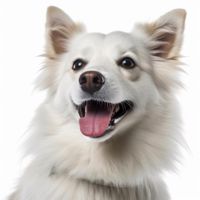
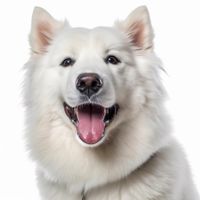
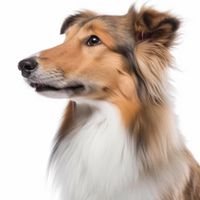
American Eskimo Dog vs Samoyed vs Collie
Three friendly breeds enter—one emerges as your best match. Use the trait grids below to spot practical differences in lifestyle fit.
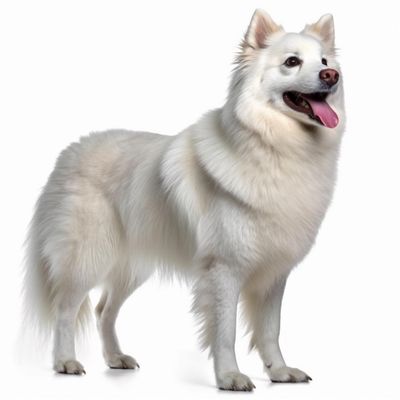
American Eskimo Dogs can vary in size, with Toy, Miniature, and Standard varieties. They weigh between 10-40 lbs and have a height of 9-19 inches.
American Eskimo Dogs have a high energy level and need regular physical and mental stimulation to stay happy and healthy.
American Eskimo Dogs require daily exercise, including walks, playtime, and activities that challenge their minds.
American Eskimo Dogs are intelligent and eager to please, making them highly trainable with consistent, positive reinforcement.
American Eskimo Dogs are intelligent dogs known for their versatility in various dog sports and activities.
American Eskimo Dogs can adapt to different living situations, but their high energy levels and bark tendencies may make them less suited for small spaces like apartments.
American Eskimo Dogs can be good with children, but supervision and proper handling are important to ensure safe interactions.
American Eskimo Dogs can get along well with other pets, especially when raised together. Early socialization is important to ensure they develop good social skills.
American Eskimo Dogs have a thick double coat that allows them to tolerate cold climates well.
American Eskimo Dogs can tolerate hot climates, but they need to be monitored for signs of overheating during exercise. Regular grooming can also help keep them comfortable.
American Eskimo Dogs have a thick double coat that sheds heavily, requiring regular grooming to keep their coats clean and healthy.
American Eskimo Dogs require regular grooming, including brushing several times a week and occasional bathing.
American Eskimo Dogs tend to bark more frequently and may require consistent training to manage their barking.
American Eskimo Dogs are generally healthy dogs but may still require regular veterinary checkups and preventative care.
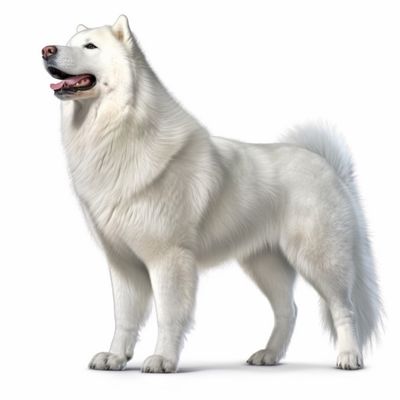
Samoyeds have a high energy level and need plenty of physical activity to stay happy and healthy.
Samoyeds require a lot of exercise, including daily walks, play sessions, and activities like sledding or dog sports.
Samoyeds are intelligent and trainable, but they can be independent thinkers. Consistent, positive reinforcement is key.
Samoyeds are highly intelligent dogs and can excel in various dog sports and activities, such as agility and obedience.
Samoyeds can adapt to various living situations but prefer cooler climates and need plenty of space for exercise.
Samoyeds are good with children, as they are generally friendly, playful, and patient.
Samoyeds can get along well with other pets, especially when raised together.
Samoyeds are well-suited for cold climates due to their thick, double-layered coats.
Samoyeds can tolerate hot climates but need to be monitored for signs of overheating during exercise.
Samoyeds have a thick double coat and shed heavily, especially during seasonal changes. Regular grooming is necessary.
Samoyeds require frequent grooming, including brushing and occasional trimming, to keep their coats clean and healthy.
Samoyeds may have some health issues, requiring regular veterinary checkups and preventative care.
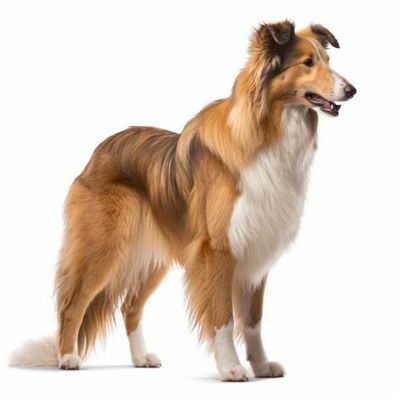
Collies are elegant and well-proportioned, standing 22-26 inches tall and weighing 50-75 lbs.
Collies have moderate energy levels and enjoy daily walks and playtime, but they're not overly demanding.
Collies require regular exercise, such as walks and playtime, to keep them mentally and physically fit.
Intelligent and eager to please, Collies are easy to train and excel in obedience, agility, and herding activities.
Collies are highly intelligent dogs, known for their problem-solving skills and quick learning abilities.
Collies can adapt to various living situations, but they prefer having access to outdoor space for exercise and play.
Collies are gentle, patient, and loving, making them wonderful companions for children.
Collies usually get along well with other dogs and pets, especially if socialized from an early age.
Collies have a thick double coat that helps them tolerate cold weather, but they still need proper shelter and protection.
Collies can manage in hot climates, but they require shade, water, and limited exercise during the hottest parts of the day.
Collies shed seasonally, with heavier shedding during coat changes. Regular brushing can help minimize shedding.
Collies need regular brushing to keep their coats clean and prevent matting.
Collies have average bark tendencies and may bark for various reasons, such as alerting their owners or during playtime.
Collies are generally healthy, but regular veterinary checkups and preventative care are still necessary.