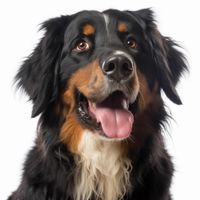
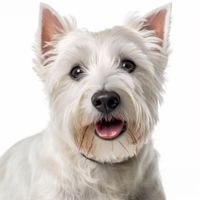
Bernese Mountain Dog vs West Highland White Terrier vs Yorkshire Terrier
Three friendly breeds enter—one emerges as your best match. Use the trait grids below to spot practical differences in lifestyle fit.
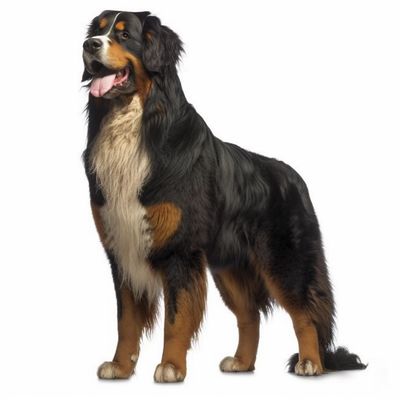
Bernese Mountain Dogs are large and sturdy, weighing 70-115 lbs and standing 23-28 inches tall.
Bernese Mountain Dogs have a moderate energy level, requiring regular exercise and playtime.
Daily exercise, like walks or playtime, keeps Bernese Mountain Dogs happy and helps prevent boredom.
Bernese Mountain Dogs are intelligent and eager to please, but can be stubborn at times.
Bernese Mountain Dogs are smart and enjoy learning new commands and problem-solving activities.
Bernese Mountain Dogs prefer cooler climates and need space, making them better suited for larger homes.
Gentle and patient, Bernese Mountain Dogs are wonderful playmates and companions for children.
Friendly and sociable, Bernese Mountain Dogs typically get along well with other dogs and pets.
Bernese Mountain Dogs are well-suited for cold weather due to their thick, double-layered coat.
Bernese Mountain Dogs struggle in hot climates and require extra care, like shade, water, and limited exercise.
Bernese Mountain Dogs shed seasonally and require regular brushing to manage their coat.
Regular brushing is necessary to maintain the Bernese Mountain Dog's thick coat and prevent matting.
Bernese Mountain Dogs bark occasionally, usually only when necessary or provoked.
Bernese Mountain Dogs have breed-specific health issues that require additional care and attention, such as regular veterinary checkups, preventative care, and potential medication or treatments.
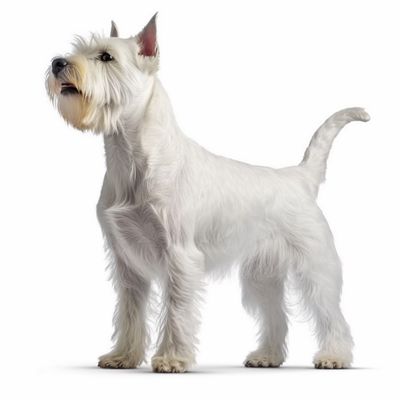
West Highland White Terriers are small-sized dogs, weighing 15-20 lbs, with a height of 10-11 inches.
West Highland White Terriers have a medium energy level, enjoying playtime and daily walks.
West Highland White Terriers need regular exercise, including daily walks and playtime.
Westies are intelligent and trainable, but can be stubborn at times. Consistent, positive reinforcement is important.
Westies are intelligent dogs and can learn tricks and commands with consistent training.
Westies can adapt well to different living situations, including apartments and larger homes, as long as their exercise needs are met.
Westies can be good with children, but supervision and proper handling are important to prevent injury to the dog.
Westies can get along with other pets, but early socialization is important.
Westies can tolerate colder temperatures thanks to their double coat, but proper protection is still necessary during extreme cold.
Westies can tolerate hot climates but need to be monitored for signs of overheating during exercise.
Westies have a double coat that sheds minimally, making grooming relatively easy.
Westies require regular grooming, including brushing and occasional bathing to keep their coats clean and healthy.
West Highland White Terriers have average bark tendencies and may bark for various reasons, such as alerting their owners or during playtime.
West Highland White Terriers may have some health issues, requiring regular veterinary checkups and preventative care.
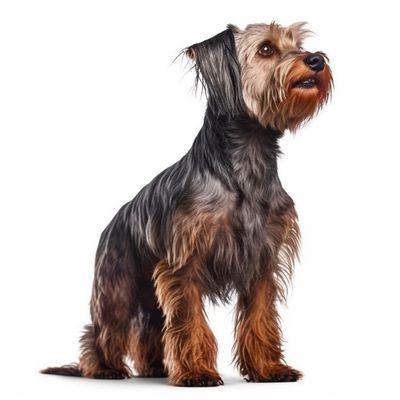
Yorkshire Terriers are toy-sized dogs, standing 7-8 inches tall and weighing 4-7 lbs.
Yorkshire Terriers have moderate energy levels and enjoy short walks, playtime, and interactive toys.
Yorkshire Terriers require minimal exercise, such as short daily walks and indoor playtime.
Yorkshire Terriers are intelligent but can be stubborn, so training requires patience, consistency, and positive reinforcement.
Yorkshire Terriers are intelligent dogs with a natural curiosity and a quick learning ability.
Yorkshire Terriers are highly adaptable and can thrive in various living situations, including apartments and homes with yards.
Yorkshire Terriers can be good with older, gentle children, but they may not tolerate rough handling from young kids.
Yorkshire Terriers can get along with other dogs and pets, but early socialization is important, as they can be territorial.
Yorkshire Terriers can manage in cold climates, but they require proper clothing and protection due to their small size and thin coat.
Yorkshire Terriers can handle hot climates, but they need to be provided with shade, water, and limited exercise during the hottest parts of the day.
Yorkshire Terriers are considered hypoallergenic and shed minimally, making them a good choice for allergy sufferers.
Yorkshire Terriers require regular grooming, including daily brushing and frequent bathing, to keep their silky coats clean and tangle-free.
Yorkshire Terriers tend to bark more frequently and may require consistent training to manage their barking.
Yorkshire Terriers may have some health issues, requiring regular veterinary checkups and preventative care.