Bernese Mountain Dog vs West Highland White Terrier
Berner vs Westie
Which one fits your life? Start with the short answer, then check the details that matter most to you.
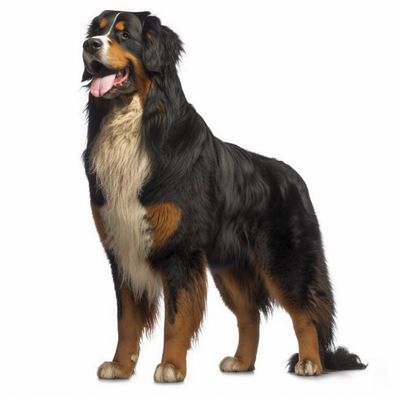
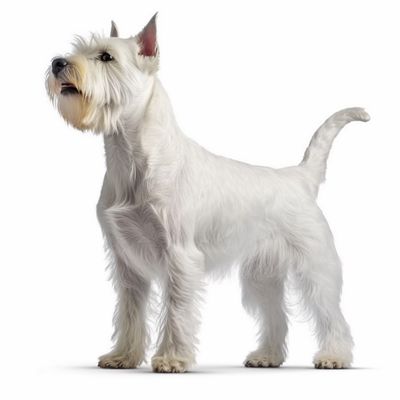
The short answer
The Berner is bigger and better with kids; the Westie sheds less and tends to live longer.
Choose the Berner if you want:
- A bigger, sturdier dog
- A better fit for a home with young kids
- A quieter dog (handy if you have close neighbors)
- A dog that gets along better with other pets
Choose the Westie if you want:
- A smaller dog that’s easy to carry and travel with
- Less dog hair on your clothes and couch
- More years together (13–15 years vs 7–10 years)
- A dog that copes better with hot summers
Bernese Mountain Dog vs West Highland White Terrier at a glance
Highlighted rows are where they differ.
| Trait | Bernese Mountain Dog | West Highland White Terrier |
|---|---|---|
| Weight | 70–115 lb (32–52 kg) | 15–20 lb (7–9 kg) |
| Height | 23–28 in (58–71 cm) | 9–11 in (23–28 cm) |
| Life span | 7–10 years | 13–15 years |
| Energy | Medium | Medium |
| Exercise needs | Medium | Medium |
| Trainability | Moderate | Moderate |
| Intelligence | High | Medium |
| With kids | Great | Good |
| With other pets | Great | Good |
| Shedding | Heavy in season | Low |
| Grooming | Moderate | Moderate |
| Barking | Low | Medium |
| In hot weather | Poor | OK |
| In cold weather | Great | Good |
| Adaptability | Medium | Medium |
Bernese Mountain Dog and West Highland White Terrier in real life
Studio photos make every dog look tidy. Here’s what each one looks like out in the world.
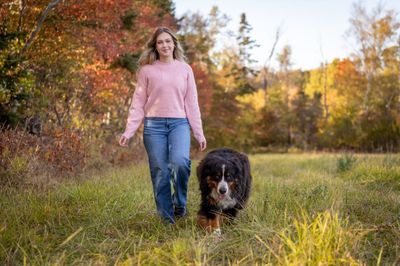
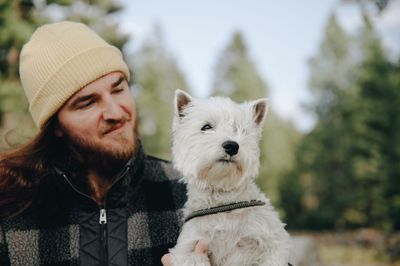
Which is bigger, the Berner or the Westie?
The Berner, by far: it weighs about 5 times as much. A Berner weighs 70–115 lb (32–52 kg) and stands 23–28 in (58–71 cm) at the shoulder. A Westie weighs 15–20 lb (7–9 kg) and stands 9–11 in (23–28 cm).
Which needs more exercise, the Berner or the Westie?
They need about the same. Both are moderately active and need a daily walk plus playtime.
Which is better with kids, the Berner or the Westie?
The Berner. The Berner is great with kids; the Westie is good with kids. With other pets, the Berner gets along great; the Westie usually gets along. Whichever you choose, supervise young children with any dog.
Which is easier to train, the Berner or the Westie?
They’re about the same. Both train well with patience and consistency. The Berner is quick to learn; the Westie learns at a steady pace.
Which sheds more, the Berner or the Westie?
The Berner. The Berner sheds heavily in shedding season; the Westie sheds little. If dog hair on everything is a deal-breaker, the Westie is your pick. (No dog is fully hypoallergenic, though.) Both need regular brushing.
Which barks more, the Berner or the Westie?
The Westie. The Westie barks now and then; the Berner rarely barks. Live in an apartment or close to neighbors? The Berner is the safer bet.
Which lives longer, the Berner or the Westie?
The Westie, on average. The Westie usually lives 13–15 years; the Berner usually lives 7–10 years. Within any breed, good breeding, a healthy weight and regular vet care make a real difference.
Which handles hot and cold weather better, the Berner or the Westie?
The Westie in the heat; the Berner in the cold. The Berner struggles in the heat and handles cold very well. The Westie copes with moderate heat and handles cold well. On hot days, keep walks short and keep the Berner cool.
Still deciding? Compare similar breeds
Full trait profiles
Every trait we rate, with notes on each breed.
Bernese Mountain Dog
Bernese Mountain Dogs are large and sturdy, weighing 70-115 lbs and standing 23-28 inches tall.
Bernese Mountain Dogs have a moderate energy level, requiring regular exercise and playtime.
Daily exercise, like walks or playtime, keeps Bernese Mountain Dogs happy and helps prevent boredom.
Bernese Mountain Dogs are intelligent and eager to please, but can be stubborn at times.
Bernese Mountain Dogs are smart and enjoy learning new commands and problem-solving activities.
Bernese Mountain Dogs prefer cooler climates and need space, making them better suited for larger homes.
Gentle and patient, Bernese Mountain Dogs are wonderful playmates and companions for children.
Friendly and sociable, Bernese Mountain Dogs typically get along well with other dogs and pets.
Bernese Mountain Dogs are well-suited for cold weather due to their thick, double-layered coat.
Bernese Mountain Dogs struggle in hot climates and require extra care, like shade, water, and limited exercise.
Bernese Mountain Dogs shed seasonally and require regular brushing to manage their coat.
Regular brushing is necessary to maintain the Bernese Mountain Dog's thick coat and prevent matting.
Bernese Mountain Dogs bark occasionally, usually only when necessary or provoked.
Bernese Mountain Dogs have breed-specific health issues that require additional care and attention, such as regular veterinary checkups, preventative care, and potential medication or treatments.
West Highland White Terrier
West Highland White Terriers are small-sized dogs, weighing 15-20 lbs, with a height of 9-11 inches.
West Highland White Terriers have a medium energy level, enjoying playtime and daily walks.
West Highland White Terriers need regular exercise, including daily walks and playtime.
Westies are intelligent and trainable, but can be stubborn at times. Consistent, positive reinforcement is important.
Westies are intelligent dogs and can learn tricks and commands with consistent training.
Westies can adapt well to different living situations, including apartments and larger homes, as long as their exercise needs are met.
Westies can be good with children, but supervision and proper handling are important to prevent injury to the dog.
Westies can get along with other pets, but early socialization is important.
Westies can tolerate colder temperatures thanks to their double coat, but proper protection is still necessary during extreme cold.
Westies can tolerate hot climates but need to be monitored for signs of overheating during exercise.
Westies have a double coat that sheds minimally, making grooming relatively easy.
Westies require regular grooming, including brushing and occasional bathing to keep their coats clean and healthy.
West Highland White Terriers have average bark tendencies and may bark for various reasons, such as alerting their owners or during playtime.
West Highland White Terriers may have some health issues, requiring regular veterinary checkups and preventative care.