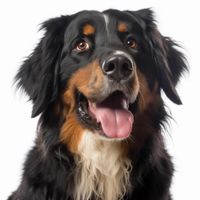
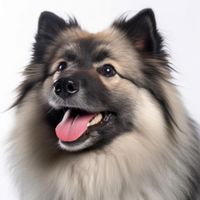
Bernese Mountain Dog vs Keeshond
Berner vs Keeshond
Which one fits your life? Start with the short answer, then check the details that matter most to you.
The short answer
The Berner is bigger and better with kids; the Keeshond is easier to train and tends to live longer.
Choose the Berner if you want:
- A bigger, sturdier dog
- A better fit for a home with young kids
- A quieter dog (handy if you have close neighbors)
- Less brushing and grooming
Choose the Keeshond if you want:
- A smaller dog that’s easier to handle
- A dog that’s easier to train
- More years together (12–15 years vs 7–10 years)
- A dog that copes better with hot summers
Bernese Mountain Dog vs Keeshond at a glance
Highlighted rows are where they differ.
| Trait | Bernese Mountain Dog | Keeshond |
|---|---|---|
| Weight | 70–115 lb (32–52 kg) | 35–45 lb (16–20 kg) |
| Height | 23–28 in (58–71 cm) | 16–18 in (41–46 cm) |
| Life span | 7–10 years | 12–15 years |
| Energy | Medium | Medium |
| Exercise needs | Medium | Medium |
| Trainability | Moderate | Easy |
| Intelligence | High | High |
| With kids | Great | Good |
| With other pets | Great | Good |
| Shedding | Heavy in season | Heavy |
| Grooming | Moderate | High |
| Barking | Low | High |
| In hot weather | Poor | OK |
| In cold weather | Great | Good |
| Adaptability | Medium | Medium |
Bernese Mountain Dog and Keeshond in real life
Studio photos make every dog look tidy. Here’s what each one looks like out in the world.
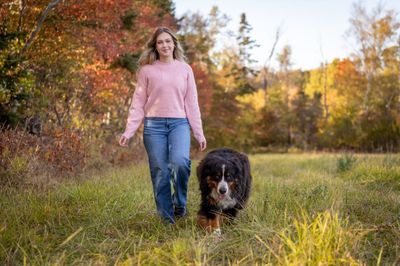
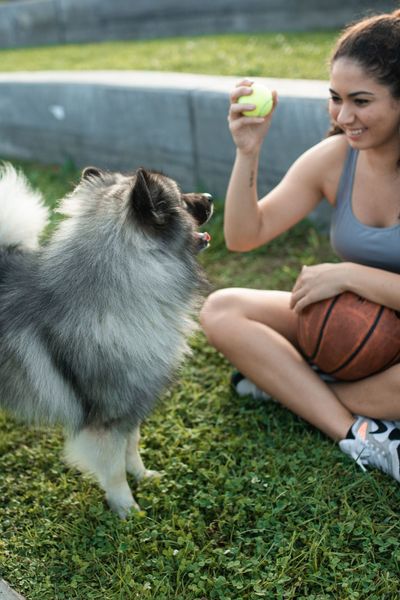
Which is bigger, the Berner or the Keeshond?
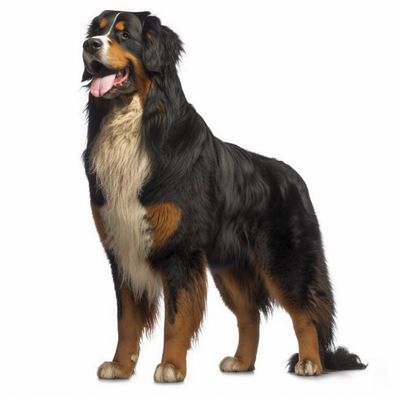
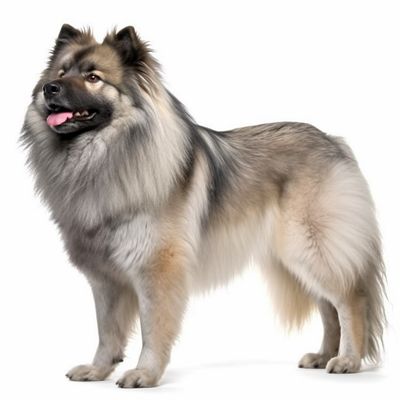
The Berner, by far: it weighs about 2 times as much. A Berner weighs 70–115 lb (32–52 kg) and stands 23–28 in (58–71 cm) at the shoulder. A Keeshond weighs 35–45 lb (16–20 kg) and stands 16–18 in (41–46 cm).
Which needs more exercise, the Berner or the Keeshond?
They need about the same. Both are moderately active and need a daily walk plus playtime.
Which is better with kids, the Berner or the Keeshond?
The Berner. The Berner is great with kids; the Keeshond is good with kids. With other pets, the Berner gets along great; the Keeshond usually gets along. Whichever you choose, supervise young children with any dog.
Which is easier to train, the Berner or the Keeshond?
The Keeshond. The Keeshond is easy to train and quick to learn. The Berner trains well with patience and consistency and is quick to learn.
Which sheds more, the Berner or the Keeshond?
The Keeshond. The Keeshond sheds heavily; the Berner sheds heavily in shedding season. The Keeshond needs a lot of grooming; the Berner needs regular brushing.
Which barks more, the Berner or the Keeshond?
The Keeshond. The Keeshond barks a lot; the Berner rarely barks. Live in an apartment or close to neighbors? The Berner is the safer bet.
Which lives longer, the Berner or the Keeshond?
The Keeshond, on average. The Keeshond usually lives 12–15 years; the Berner usually lives 7–10 years. Within any breed, good breeding, a healthy weight and regular vet care make a real difference.
Which handles hot and cold weather better, the Berner or the Keeshond?
The Keeshond in the heat; the Berner in the cold. The Berner struggles in the heat and handles cold very well. The Keeshond copes with moderate heat and handles cold well. On hot days, keep walks short and keep the Berner cool.
Still deciding? Compare similar breeds
Full trait profiles
Every trait we rate, with notes on each breed.
Bernese Mountain Dog
Bernese Mountain Dogs are large and sturdy, weighing 70-115 lbs and standing 23-28 inches tall.
Bernese Mountain Dogs have a moderate energy level, requiring regular exercise and playtime.
Daily exercise, like walks or playtime, keeps Bernese Mountain Dogs happy and helps prevent boredom.
Bernese Mountain Dogs are intelligent and eager to please, but can be stubborn at times.
Bernese Mountain Dogs are smart and enjoy learning new commands and problem-solving activities.
Bernese Mountain Dogs prefer cooler climates and need space, making them better suited for larger homes.
Gentle and patient, Bernese Mountain Dogs are wonderful playmates and companions for children.
Friendly and sociable, Bernese Mountain Dogs typically get along well with other dogs and pets.
Bernese Mountain Dogs are well-suited for cold weather due to their thick, double-layered coat.
Bernese Mountain Dogs struggle in hot climates and require extra care, like shade, water, and limited exercise.
Bernese Mountain Dogs shed seasonally and require regular brushing to manage their coat.
Regular brushing is necessary to maintain the Bernese Mountain Dog's thick coat and prevent matting.
Bernese Mountain Dogs bark occasionally, usually only when necessary or provoked.
Bernese Mountain Dogs have breed-specific health issues that require additional care and attention, such as regular veterinary checkups, preventative care, and potential medication or treatments.
Keeshond
Keeshonds have a medium energy level and enjoy a balance of activity and relaxation.
Keeshonds need regular exercise, including daily walks and play sessions, to stay happy and healthy.
Keeshonds are intelligent and highly trainable, responding well to positive reinforcement and consistency.
Keeshonds are highly intelligent dogs and can excel in various dog sports and activities, such as agility and obedience.
Keeshonds can adapt to various living situations, including apartments and larger homes, as long as their exercise needs are met.
Keeshonds are good with children, as they are generally friendly, playful, and patient.
Keeshonds can get along well with other pets, especially when raised together.
Keeshonds can tolerate cold climates well due to their thick, double-layered coats.
Keeshonds can tolerate hot climates but need to be monitored for signs of overheating during exercise.
Keeshonds have a thick double coat and shed heavily, especially during seasonal changes. Regular grooming is necessary.
Keeshonds require frequent grooming, including brushing and occasional trimming, to keep their coats clean and healthy.
Keeshonds tend to bark more frequently and may require consistent training to manage their barking.
Keeshonden are generally healthy, but regular veterinary checkups and preventative care are still necessary.