Pug vs English Bulldog
Side‑by‑side look at two friendly breeds. Scan trait grids below to see meaningful differences in lifestyle fit (energy, grooming, kid friendliness, trainability and more).

Pugs have a moderate energy level, requiring daily exercise but also enjoying relaxation time with their owners.
Pugs need a moderate amount of daily exercise, such as short walks and play sessions, but are not as demanding as some other breeds.
Pugs can be trained with patience, consistency, and positive reinforcement, but they can also be stubborn at times.
Pugs are intelligent dogs but can sometimes be stubborn, which may make training a bit more challenging.
Pugs are highly adaptable and can thrive in various living situations, including apartments and homes with or without yards.
Pugs are known to be great with kids, being gentle, patient, and affectionate with children.
Pugs generally get along well with other pets and enjoy the company of other animals.
Pugs can tolerate colder weather but should be protected from extreme cold and not be left outside for long periods.
Pugs are not well-suited for hot climates due to their short snouts, which make it difficult for them to regulate their body temperature. They need to be kept cool and monitored closely for signs of heat stress.
Pugs shed moderately throughout the year and may require regular brushing to help manage shedding.
Pugs have low grooming needs, requiring only occasional bathing and regular cleaning of facial folds to prevent infection.
Pugs may have some health issues, requiring regular veterinary checkups and preventative care.
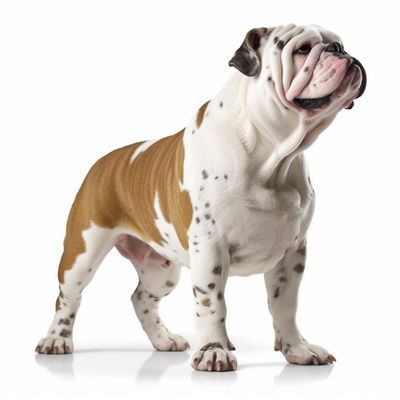
English Bulldogs are medium-sized dogs, weighing 40-50 lbs, with a height of 12-16 inches.
English Bulldogs have a low energy level, making them suitable for a more laid-back lifestyle.
English Bulldogs require minimal exercise, such as daily walks and some playtime.
English Bulldogs can be trained but may require patience and consistency due to their stubborn nature.
English Bulldogs are moderately intelligent and can learn basic commands and tricks.
English Bulldogs can adapt well to various living situations, including apartments and larger homes.
English Bulldogs are excellent with children, known for their gentle and patient nature.
English Bulldogs generally get along well with other pets, especially when properly socialized.
English Bulldogs can tolerate cold climates but should be protected from extreme cold.
English Bulldogs are prone to overheating in hot climates and need extra care to stay cool.
English Bulldogs have a short coat and shed moderately, requiring regular brushing to manage shedding.
English Bulldogs require minimal grooming, including occasional brushing and bathing to keep their coats clean and healthy.
English Bulldogs bark occasionally, usually only when necessary or provoked.
English Bulldogs have breed-specific health issues, requiring regular veterinary checkups, preventative care, and potential treatments.