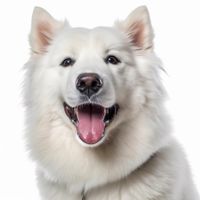
Samoyed vs Cavalier King Charles Spaniel
Side‑by‑side look at two friendly breeds. Scan trait grids below to see meaningful differences in lifestyle fit (energy, grooming, kid friendliness, trainability and more).
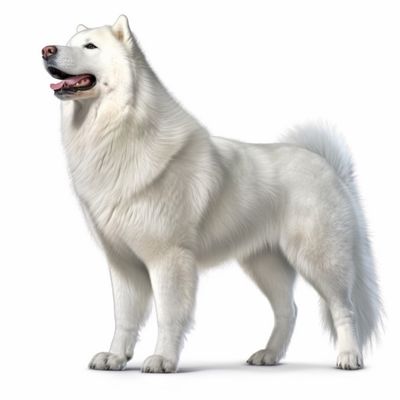
Samoyeds have a high energy level and need plenty of physical activity to stay happy and healthy.
Samoyeds require a lot of exercise, including daily walks, play sessions, and activities like sledding or dog sports.
Samoyeds are intelligent and trainable, but they can be independent thinkers. Consistent, positive reinforcement is key.
Samoyeds are highly intelligent dogs and can excel in various dog sports and activities, such as agility and obedience.
Samoyeds can adapt to various living situations but prefer cooler climates and need plenty of space for exercise.
Samoyeds are good with children, as they are generally friendly, playful, and patient.
Samoyeds can get along well with other pets, especially when raised together.
Samoyeds are well-suited for cold climates due to their thick, double-layered coats.
Samoyeds can tolerate hot climates but need to be monitored for signs of overheating during exercise.
Samoyeds have a thick double coat and shed heavily, especially during seasonal changes. Regular grooming is necessary.
Samoyeds require frequent grooming, including brushing and occasional trimming, to keep their coats clean and healthy.
Samoyeds may have some health issues, requiring regular veterinary checkups and preventative care.

Cavaliers have a moderate energy level and enjoy a mix of playtime and relaxation.
Cavaliers need daily exercise, such as walks or playtime, to stay happy and healthy.
Cavaliers are eager to please and can be trained easily with positive reinforcement.
Cavaliers are intelligent dogs that enjoy learning new commands and tricks.
Cavaliers adapt well to various living situations, from apartments to country homes.
Cavaliers are gentle, affectionate, and patient, making them excellent companions for children.
Cavaliers get along well with other pets, including dogs and cats, when socialized properly.
Cavaliers can tolerate mild cold but need extra care in extreme cold due to their silky coats.
Cavaliers can handle warm climates, but make sure to provide shade, water, and avoid excessive exercise.
Cavaliers have a silky coat that sheds moderately, so regular brushing can help minimize shedding.
Cavaliers require regular brushing and occasional bathing to keep their coats healthy and tangle-free.
Cavalier King Charles Spaniels bark occasionally, usually only when necessary or provoked.
Cavalier King Charles Spaniels may have some health issues, requiring regular veterinary checkups and preventative care.