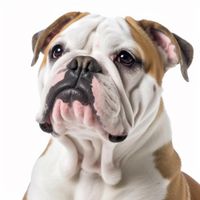
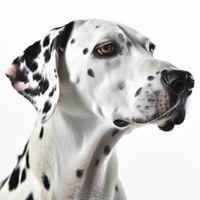
Yorkshire Terrier vs English Bulldog vs Dalmatian
Three friendly breeds enter—one emerges as your best match. Use the trait grids below to spot practical differences in lifestyle fit.
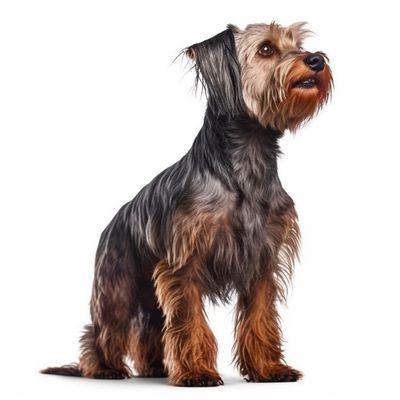
Yorkshire Terriers are toy-sized dogs, standing 7-8 inches tall and weighing 4-7 lbs.
Yorkshire Terriers have moderate energy levels and enjoy short walks, playtime, and interactive toys.
Yorkshire Terriers require minimal exercise, such as short daily walks and indoor playtime.
Yorkshire Terriers are intelligent but can be stubborn, so training requires patience, consistency, and positive reinforcement.
Yorkshire Terriers are intelligent dogs with a natural curiosity and a quick learning ability.
Yorkshire Terriers are highly adaptable and can thrive in various living situations, including apartments and homes with yards.
Yorkshire Terriers can be good with older, gentle children, but they may not tolerate rough handling from young kids.
Yorkshire Terriers can get along with other dogs and pets, but early socialization is important, as they can be territorial.
Yorkshire Terriers can manage in cold climates, but they require proper clothing and protection due to their small size and thin coat.
Yorkshire Terriers can handle hot climates, but they need to be provided with shade, water, and limited exercise during the hottest parts of the day.
Yorkshire Terriers are considered hypoallergenic and shed minimally, making them a good choice for allergy sufferers.
Yorkshire Terriers require regular grooming, including daily brushing and frequent bathing, to keep their silky coats clean and tangle-free.
Yorkshire Terriers tend to bark more frequently and may require consistent training to manage their barking.
Yorkshire Terriers may have some health issues, requiring regular veterinary checkups and preventative care.
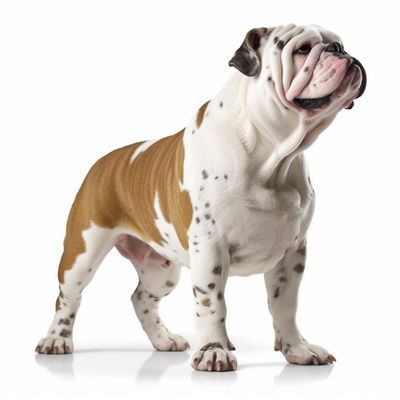
English Bulldogs are medium-sized dogs, weighing 40-50 lbs, with a height of 12-16 inches.
English Bulldogs have a low energy level, making them suitable for a more laid-back lifestyle.
English Bulldogs require minimal exercise, such as daily walks and some playtime.
English Bulldogs can be trained but may require patience and consistency due to their stubborn nature.
English Bulldogs are moderately intelligent and can learn basic commands and tricks.
English Bulldogs can adapt well to various living situations, including apartments and larger homes.
English Bulldogs are excellent with children, known for their gentle and patient nature.
English Bulldogs generally get along well with other pets, especially when properly socialized.
English Bulldogs can tolerate cold climates but should be protected from extreme cold.
English Bulldogs are prone to overheating in hot climates and need extra care to stay cool.
English Bulldogs have a short coat and shed moderately, requiring regular brushing to manage shedding.
English Bulldogs require minimal grooming, including occasional brushing and bathing to keep their coats clean and healthy.
English Bulldogs bark occasionally, usually only when necessary or provoked.
English Bulldogs have breed-specific health issues, requiring regular veterinary checkups, preventative care, and potential treatments.
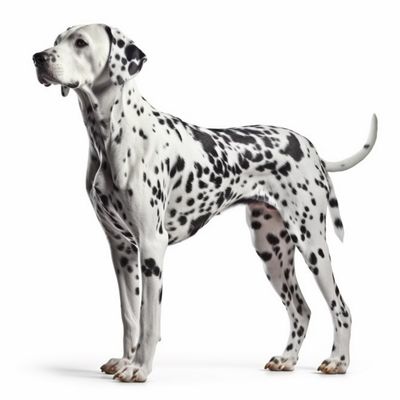
Dalmatians are large-sized dogs, weighing 45-70 lbs, with a height of 19-24 inches.
Dalmatians have a high energy level, requiring plenty of exercise and mental stimulation to stay happy and healthy.
Dalmatians need regular and vigorous exercise, including daily walks, runs, and playtime, to keep them fit and content.
Dalmatians are intelligent and trainable, but can be independent-minded at times. Consistent, positive reinforcement is key.
Dalmatians are intelligent dogs, capable of learning a variety of commands and tasks quickly.
Dalmatians can adapt to different living situations, but they require enough space to move comfortably and regular exercise.
Dalmatians can be good with children due to their playful and affectionate nature, but their energy level requires supervision and proper handling.
Dalmatians can get along well with other pets, especially when raised together. However, early socialization is important.
Dalmatians can tolerate colder temperatures, but their short coats require proper protection during extreme cold.
Dalmatians can tolerate hot climates, but they need to be monitored for signs of overheating during exercise.
Dalmatians have a short coat and shed moderately, requiring regular brushing to manage shedding.
Dalmatians require minimal grooming, including occasional brushing and bathing to keep their coats clean and healthy.
Dalmatians have average bark tendencies and may bark for various reasons, such as alerting their owners or during playtime.
Dalmatians are generally healthy, but regular veterinary checkups and preventative care are still necessary.