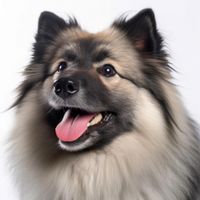
French Bulldog vs Maltese vs Keeshond
Three friendly breeds enter—one emerges as your best match. Use the trait grids below to spot practical differences in lifestyle fit.

French Bulldogs are small-sized dogs, weighing 16-28 lbs, with a height of 11-12 inches.
French Bulldogs are known for their low energy levels and enjoy a more relaxed lifestyle.
French Bulldogs require minimal exercise, with short daily walks and indoor playtime being sufficient.
French Bulldogs are moderately easy to train, but they can be stubborn at times, so patience and consistency are key.
French Bulldogs are of average intelligence and can learn new commands with consistent training.
French Bulldogs are highly adaptable and do well in various living situations, including apartments and houses.
French Bulldogs are generally good with kids, being patient and affectionate with them.
French Bulldogs can get along well with other pets when properly socialized.
French Bulldogs can tolerate some cold weather but should be protected from extreme cold with appropriate clothing and shelter.
French Bulldogs are not well-suited for hot climates due to their short snouts, making it difficult for them to regulate their body temperature.
French Bulldogs have minimal shedding due to their short, smooth coats.
French Bulldogs require minimal grooming, with occasional brushing to remove loose hair.
French Bulldogs bark occasionally, usually only when necessary or provoked.
French Bulldogs have breed-specific health issues, requiring regular veterinary checkups, preventative care, and potential treatments.

Maltese have a moderate energy level and enjoy short walks and indoor playtime.
Maltese require minimal exercise, with daily walks and playtime indoors being sufficient.
Maltese are moderately easy to train, but they may require patience and consistency.
Maltese are of average intelligence and can learn new commands with proper training.
Maltese are highly adaptable and do well in various living situations, including apartments and houses.
Maltese are generally okay with kids but are better suited for families with older children who understand how to handle small dogs gently.
Maltese can get along well with other pets when properly socialized.
Maltese can tolerate some cold weather but should be protected from extreme cold with appropriate clothing and shelter.
Maltese can tolerate hot climates reasonably well but should always have access to shade and water.
Maltese require regular grooming, including daily brushing and occasional trims, to maintain their long coats.
Maltese have average bark tendencies and may bark for various reasons, such as alerting their owners or during playtime.
Maltese are generally healthy, but regular veterinary checkups and preventative care are still necessary.
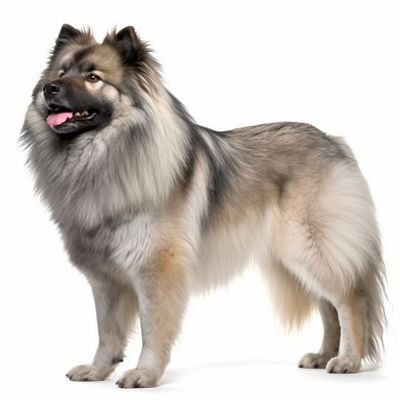
Keeshonds are medium-sized dogs, weighing 35-45 lbs, with a height of 17-18 inches.
Keeshonds have a medium energy level and enjoy a balance of activity and relaxation.
Keeshonds need regular exercise, including daily walks and play sessions, to stay happy and healthy.
Keeshonds are intelligent and highly trainable, responding well to positive reinforcement and consistency.
Keeshonds are highly intelligent dogs and can excel in various dog sports and activities, such as agility and obedience.
Keeshonds can adapt to various living situations, including apartments and larger homes, as long as their exercise needs are met.
Keeshonds are good with children, as they are generally friendly, playful, and patient.
Keeshonds can get along well with other pets, especially when raised together.
Keeshonds can tolerate cold climates well due to their thick, double-layered coats.
Keeshonds can tolerate hot climates but need to be monitored for signs of overheating during exercise.
Keeshonds have a thick double coat and shed heavily, especially during seasonal changes. Regular grooming is necessary.
Keeshonds require frequent grooming, including brushing and occasional trimming, to keep their coats clean and healthy.
Keeshonds tend to bark more frequently and may require consistent training to manage their barking.
Keeshonden are generally healthy, but regular veterinary checkups and preventative care are still necessary.